
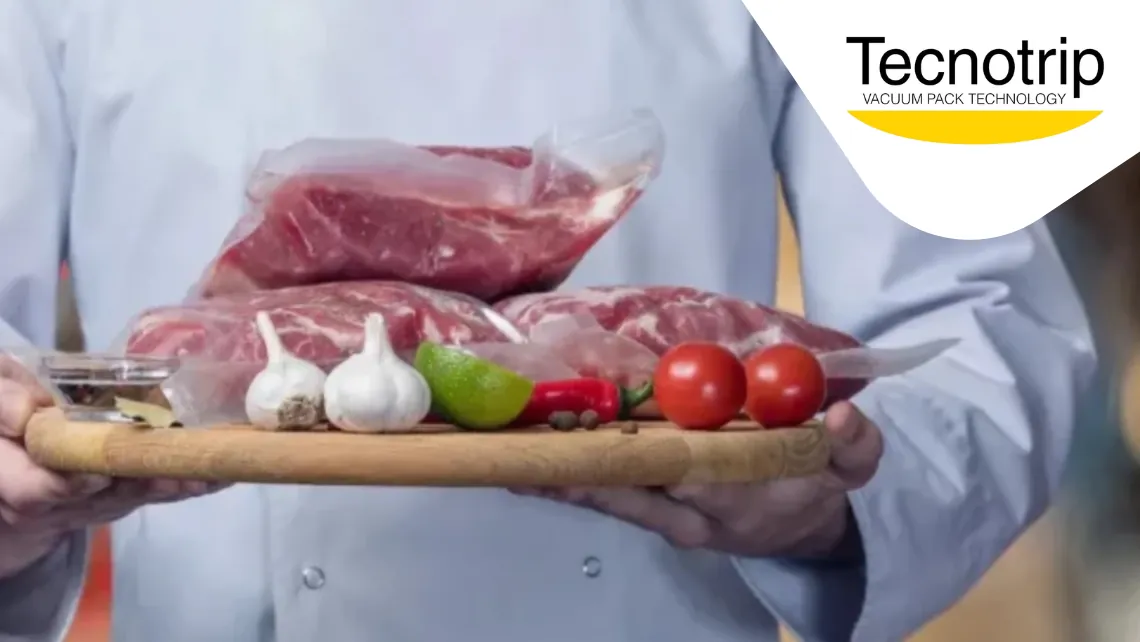
How to improve efficiency and profitability in high-turnover environments
The operational challenge in the Horeca sector
The Horeca sector operates under constant pressure: speed of service, cost control, waste reduction and maintaining quality. Restaurants, hotels and catering services need agile, organized and stable processes to respond to a variable and, in many cases, unpredictable demand.
In this context, process optimization is not an isolated technical matter, but a strategic tool to maintain profitability without compromising the customer experience.
Efficiency without losing quality
One of the biggest challenges in Horeca is maintaining product quality while optimizing working time. Preparation in advance, kitchen organization and proper storage control directly influence daily productivity.
Reducing unnecessary handling, standardizing portions and improving preservation allows you to:
- Minimize food waste
- Reduce preparation times
- Maintain consistency in service
- Improve stock control
The key is not working faster, but working with better planning and organization.
Preservation and technology as operational allies
In professional food service, proper storage management is essential. Poorly preserved products generate economic losses and affect service planning.
Having the right technological solutions for product preservation and organization allows you to extend the shelf life of food, work in batches and optimize space in refrigeration units. This results in a more structured kitchen, less improvisation and greater control over product rotation.
In addition, better preservation facilitates more efficient purchasing planning and reduces losses associated with premature expiration dates, one of the main factors that impact margins in the sector.
Organized processes, more efficient teams
Optimization in Horeca also has a direct impact on the human team. When processes are defined and standardized:
- Errors are reduced
- Stress decreases during peak demand
- Coordination between kitchen and dining room improves
- Operational stability increases
A clear workflow allows the team to focus on what really matters: delivering a quality experience to the end customer.
Sustainable profitability over time
Optimizing processes does not necessarily require large investments, but rather reviewing each stage of daily work and identifying areas for improvement. Small adjustments in preservation, organization and preparation can generate a significant impact on economic results.
In a sector where raw material and energy costs are variable, improving internal efficiency is one of the few variables that can truly be controlled. Integrating the right technology into preservation and organization processes allows businesses to work with greater predictability and reduce operational deviations.
Conclusion
Process optimization in the Horeca sector is a strategy for stability and profitability. Improving preservation, structuring workflows and relying on the right technological solutions allows businesses to maintain service quality without increasing operational complexity.
If you would like to analyze how to improve the efficiency of your daily operations and optimize your processes in professional food service, you can contact our team for specialized advice.
tecnotrip@tecnotrip.com
+34 93 735 69 69
WhatsApp: +34 695 78 17 99
Fecha: 06/03/2026
Categorías: News
Explore more articles on our blog
Discover more from the TECNOTRIP Blog and keep up with our latest news and technical insights.
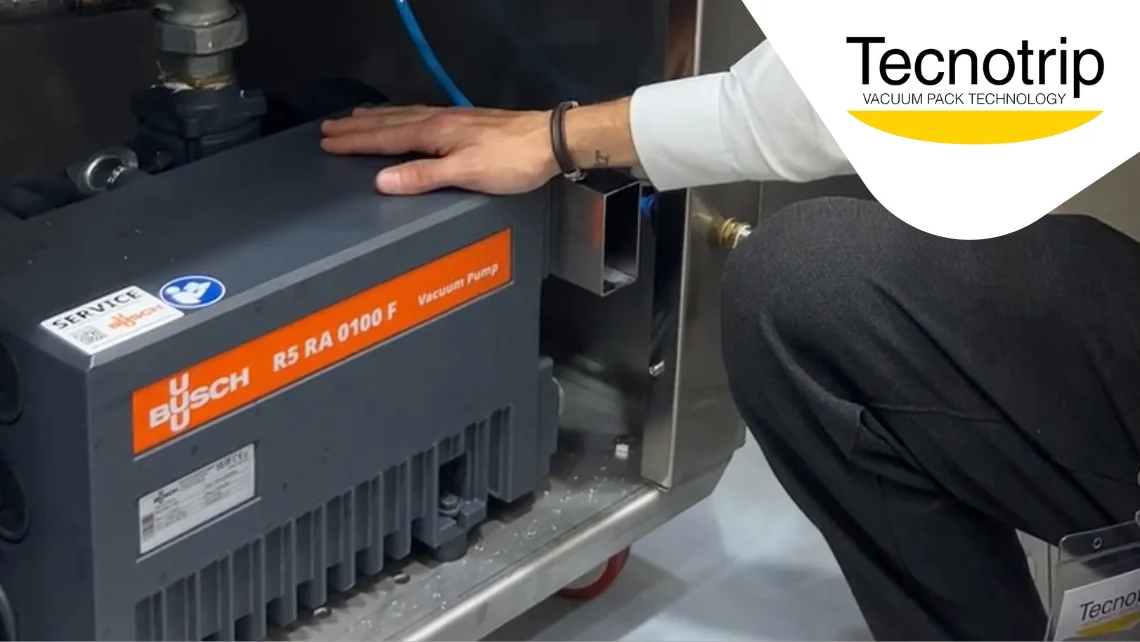
Discover how to carry out preventive maintenance on your vacuum packaging machine and prevent breakdowns. Learn when to check the Teflon tape, change the pump oil, inspect the seals and clean the chamber. Includes a practical checklist and advice from Tecnotrip’s technical service team.
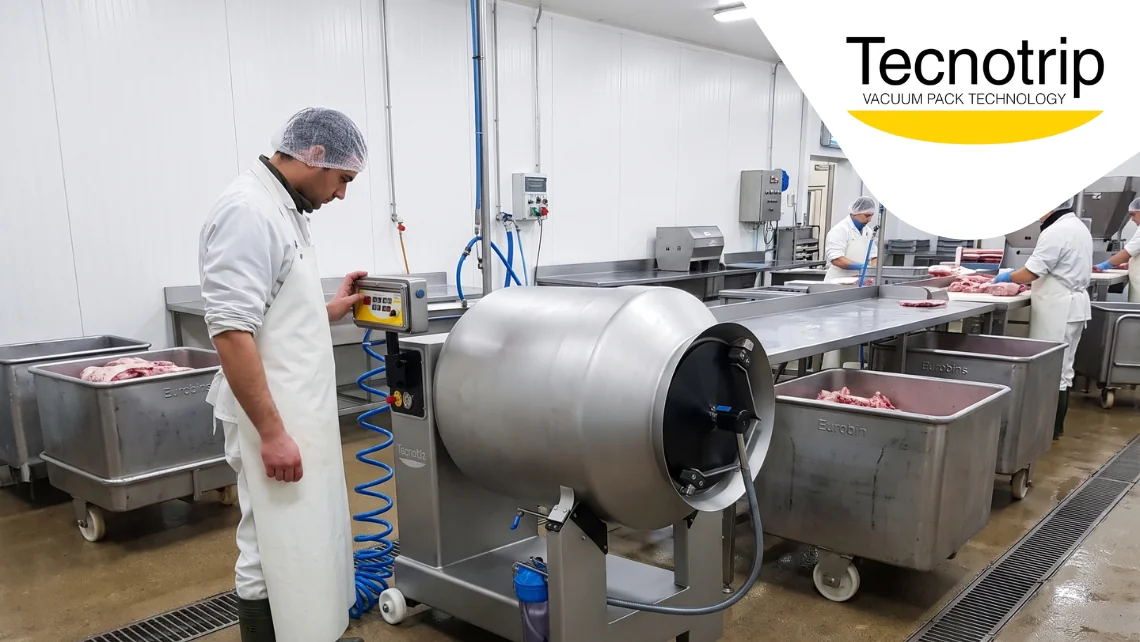
What is the difference between salt curing, tumbling and mixing? Discover how Tecnotrip's SAP vacuum tumblers and Vakona mixers work, their applications in the food industry, and how to choose the right machine for each process.
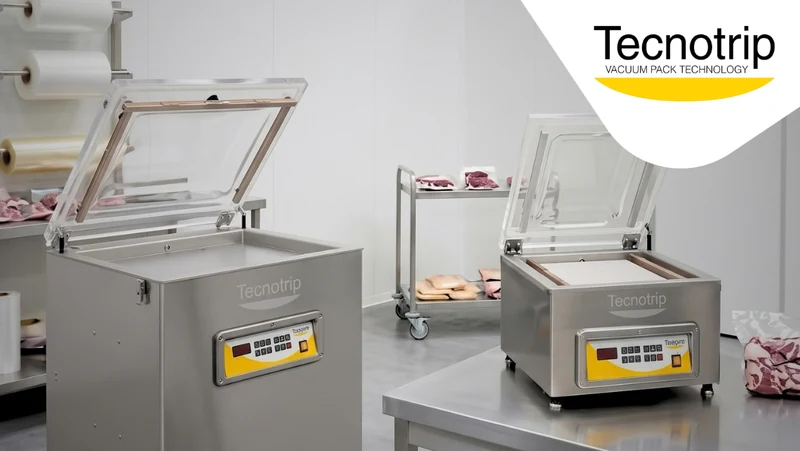
When a workshop or food business considers vacuum packing, the same doubt almost always comes up: chamber or tabletop? tabletop or floor-standing? And behind that doubt there's usually a misunderstanding that costs money.
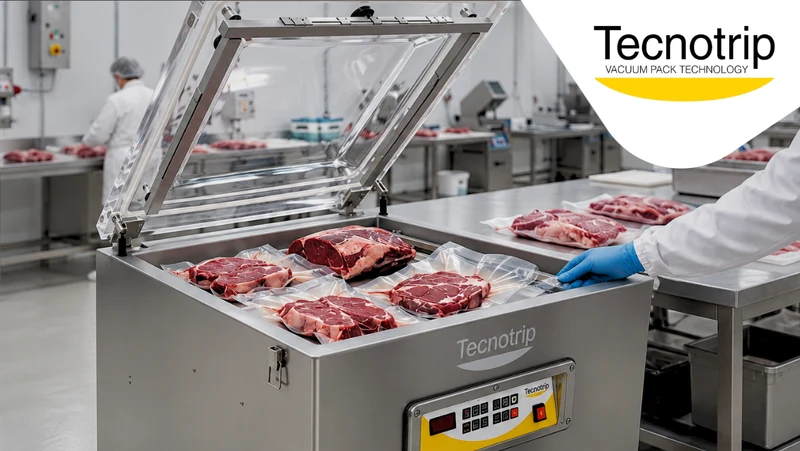
In the meat industry, every gram counts and every extra day of shelf life turns into margin. And yet, many processing workshops, cutting rooms and butcher's shops keep losing product to poor preservation: meat that oxidises too soon, weight loss through dehydration, and returns that nobody tracks but that quietly eat into the profit.

Discover which packaging technology to apply to 4th and 5th Range —MAP, vacuum, Skin and processing— to extend shelf life, eliminate waste and optimize your line.

Discover the preventive maintenance plan for your vacuum packaging machine: prevent breakdowns, reduce costs and extend machinery life with Tecnotrip's technical service.


